 Restorative
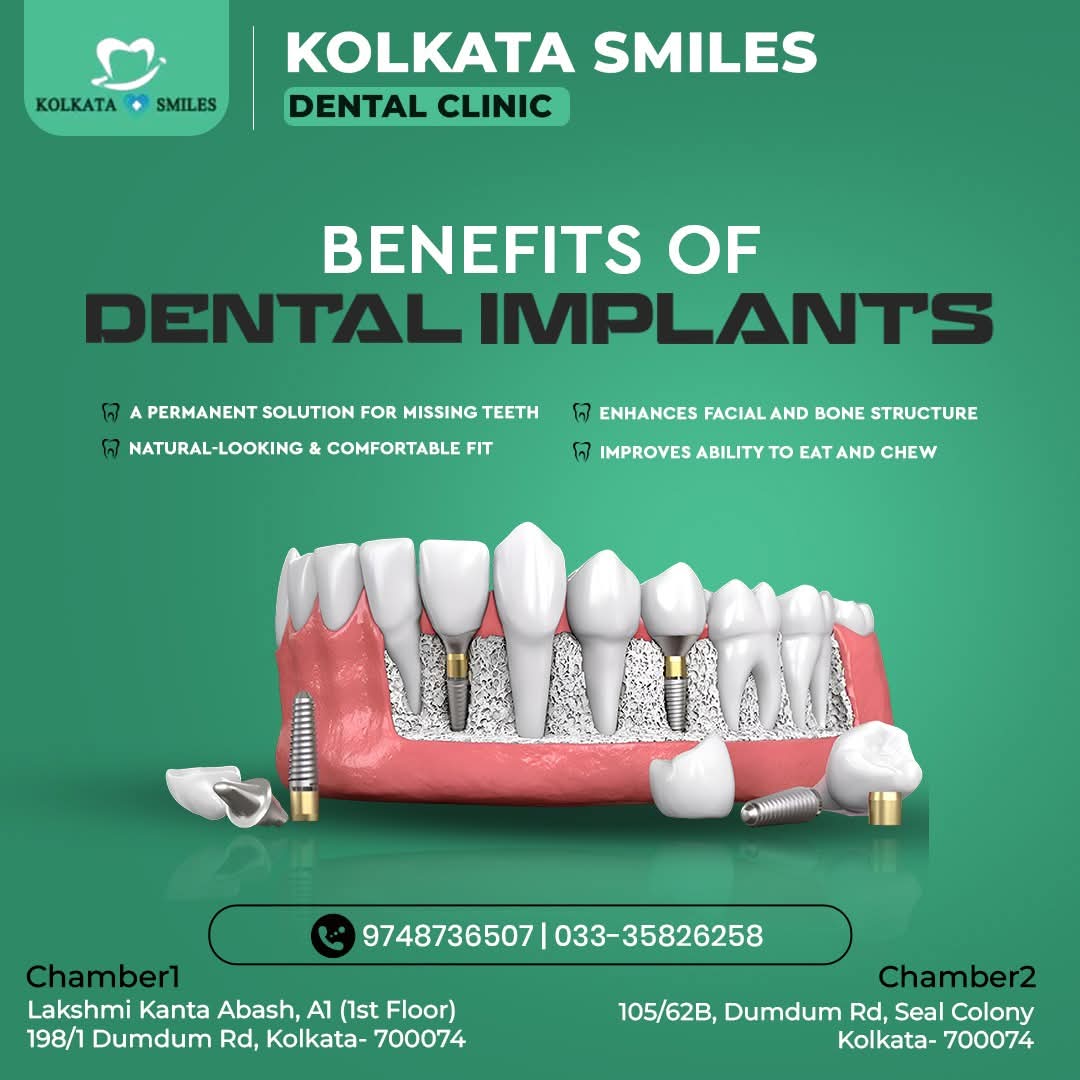
Dental implants vs dentures — which is right for you?
A clear, honest comparison of comfort, cost, longevity and daily care to help you choose confidently.
Read articleHow a 30-minute visit every 6 months can spot small problems early and save you years of complex treatment.
By Dr. Anandam Bandyopadhyay
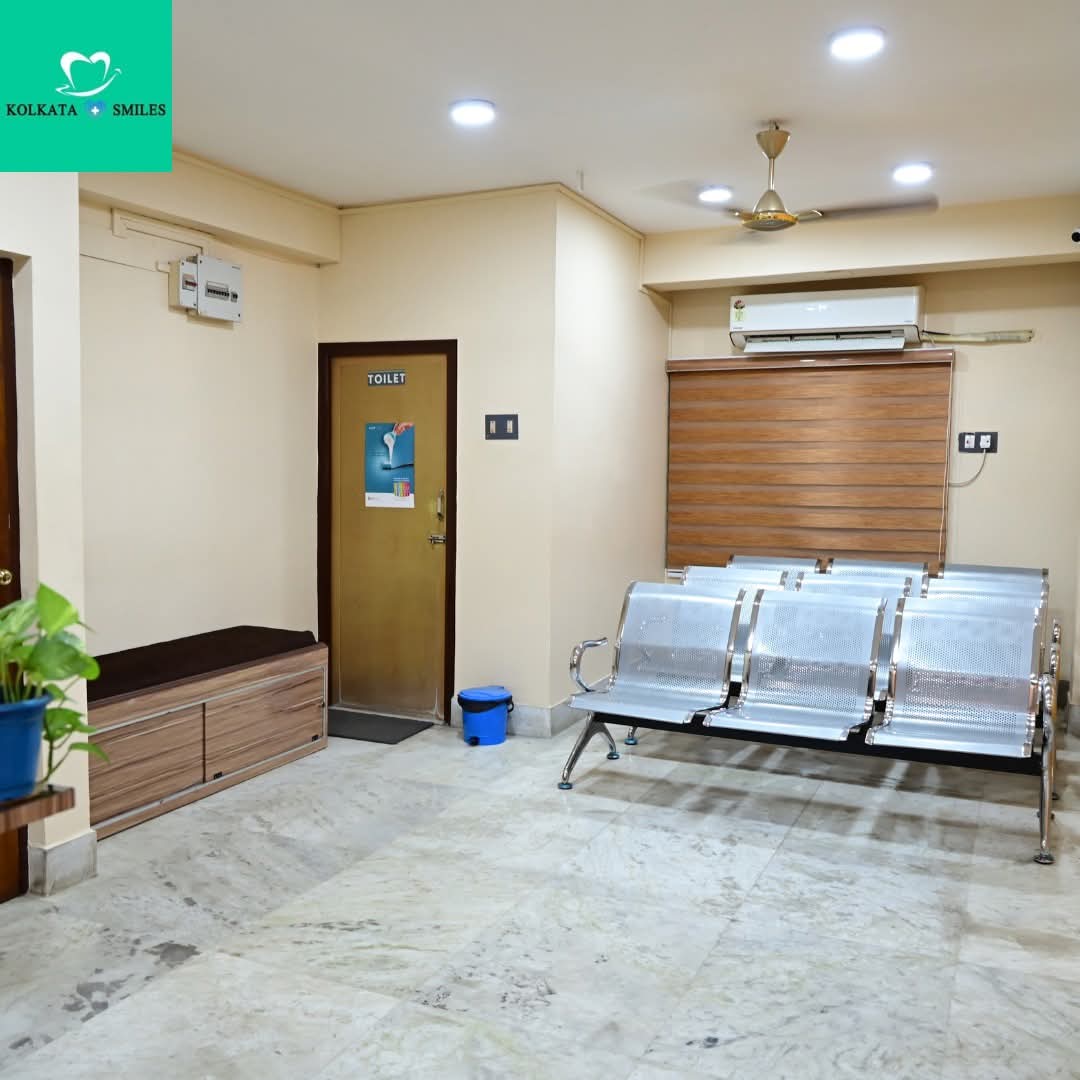
Most serious dental problems start silently — a tiny cavity, early gum inflammation, a hairline crack in a molar, a shifting bite, or an early spot of oral cancer. None of these hurt at first. By the time they do, treatment is longer, more invasive and dramatically more expensive. The routine 6-monthly dental check-up at Kolkata Smiles in Dum Dum, Kolkata is engineered to catch every one of these issues while they are still small, painless and inexpensive to fix. Think of it as a service for your car engine — regular, low-cost maintenance that prevents a catastrophic breakdown.
A full check-up at our Dum Dum clinic takes about 30 minutes. Your dentist visually examines every tooth surface, checks your gums for early signs of periodontal disease using a periodontal probe, screens the soft tissues of your mouth for oral cancer, and reviews the way your teeth come together in a full bite analysis.
If clinically needed, we take a low-radiation digital X-ray to spot cavities between teeth, bone loss around roots and hidden infections at the tips of your roots. Digital sensors expose you to roughly 80% less radiation than the old film X-rays.
You then get a professional scaling and polishing to remove hardened tartar from above and below the gumline. Finally, we sit down with you, walk through the findings on a screen, and hand over a simple written plan — not guesswork, not upsells.
Plaque hardens into tartar within 24–72 hours and, once mineralised, cannot be removed by any toothbrush or floss on the market. Even the most disciplined brusher misses spots — behind the lower front teeth, along the outer surfaces of upper molars, and just below the gumline. A professional cleaning every 6 months removes this build-up before it inflames your gums and triggers bone loss.
Six months is also short enough that most cavities are still tiny — a 20-minute composite filling, not a root canal, post and crown. It is short enough that early gum inflammation (gingivitis) can be fully reversed. And it is short enough that changes in existing fillings, crowns or implants are noticed before they fail.
A ₹1,500 filling today can become a ₹15,000 root canal plus crown in 18 months, and a ₹60,000 implant if the tooth is eventually lost. Untreated gum disease is the leading cause of adult tooth loss in India — more than trauma and decay combined — and it is almost always preventable with routine cleanings and early intervention.
Regular check-ups are the single highest-ROI health decision you can make for your mouth. Over 20 years, patients who visit every 6 months spend roughly one-third of what patients who visit 'only when it hurts' spend — and keep more of their natural teeth.
Your mouth is not a sealed compartment. Chronic gum disease releases inflammatory chemicals and bacteria into the bloodstream. Strong research now links untreated periodontitis to higher risk of heart disease, poorly controlled diabetes, premature birth, low birth weight, rheumatoid arthritis and even certain types of dementia.
A 30-minute cleaning twice a year, in other words, is not only about your smile — it is genuine, evidence-based preventive medicine for your entire body.
Patients with diabetes, smokers or paan/gutka users, pregnant women, people with braces or dental implants, patients on blood thinners or bisphosphonates, and anyone with a history of gum disease should visit every 3–4 months. Children should start visits by age 1 to build a positive, fear-free relationship with the dentist.
If you have crowns, bridges, veneers or aligners, more frequent monitoring protects your investment. A cracked porcelain edge caught early can often be polished; ignored, the whole crown may need replacement.
Write down anything you have noticed since your last appointment — sensitivity to cold, occasional bleeding while flossing, a rough edge, a clicking jaw, a spot that traps food. These small clues help us diagnose faster.
Bring an updated list of your medications and any medical changes. Many drugs — from antihistamines to antihypertensives — affect saliva flow and cavity risk.
Ask for a written prevention plan and a follow-up reminder. Studies consistently show that patients who leave with a booked next appointment attend twice as often as those who plan to 'call later'.
Key takeaway
A 30-minute check-up twice a year is the cheapest, easiest and most powerful thing you can do for your smile. Book yours at Kolkata Smiles today.
For most healthy adults, every 6 months. Patients with diabetes, gum disease, implants or orthodontic appliances should visit every 3–4 months.
No. A standard check-up and cleaning are painless. If we find something that needs treatment, we discuss options with you before doing anything.
Not always. We take digital X-rays only when clinically needed — typically once every 12–24 months for most patients.
Absolutely. Cavities, gum disease and even oral cancer are painless in their early — and most treatable — stages. Waiting for pain is waiting for the expensive stage.
Our standard check-up and scaling is transparently priced and among the most affordable in Dum Dum. Call us for the current rate — there are no hidden fees.
Book an appointment at Kolkata Smiles, Dum Dum — modern technology, gentle care and honest advice.
RestorativeA clear, honest comparison of comfort, cost, longevity and daily care to help you choose confidently.
Read article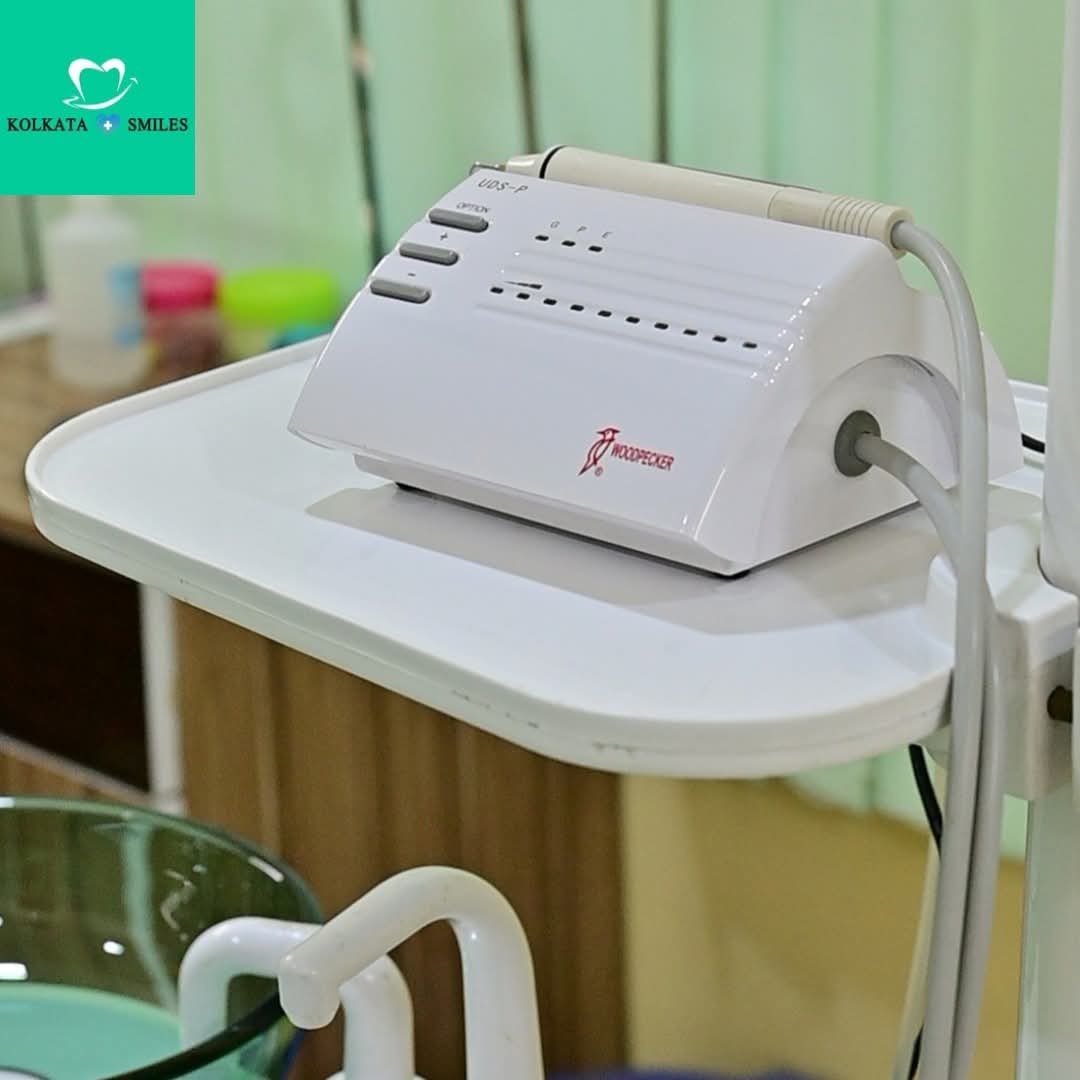 Daily Care
Small everyday changes that protect enamel, freshen breath and keep cavities away for life.
Read article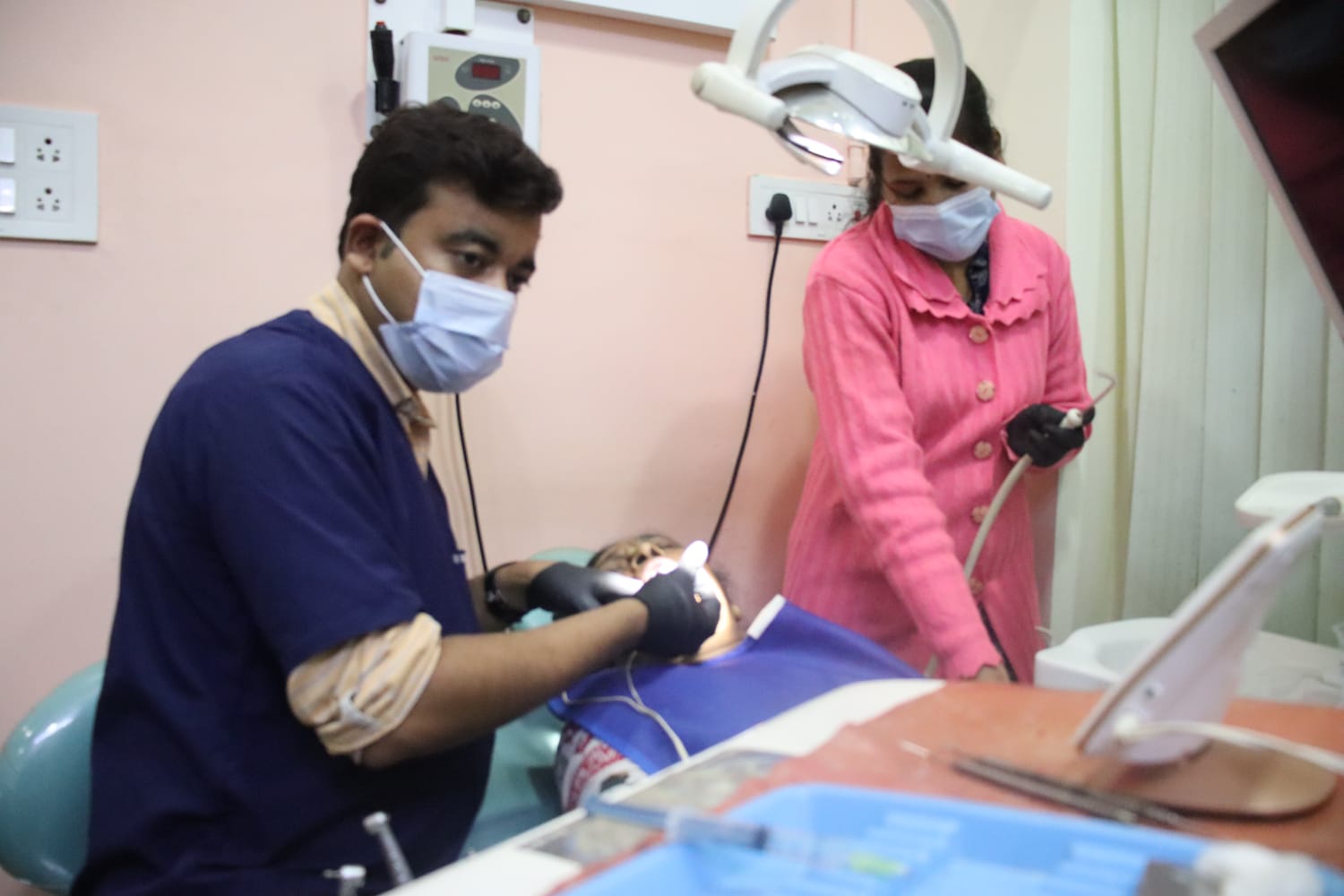 Cosmetic
Cutting through the marketing: safe, dentist-approved options that give real, long-lasting results.
Read article