 Prevention
The importance of regular dental check-ups
How a 30-minute visit every 6 months can spot small problems early and save you years of complex treatment.
Read articleWhen to book, what to expect and how to make dental visits a happy routine from an early age.
By Dr. Anandam Bandyopadhyay
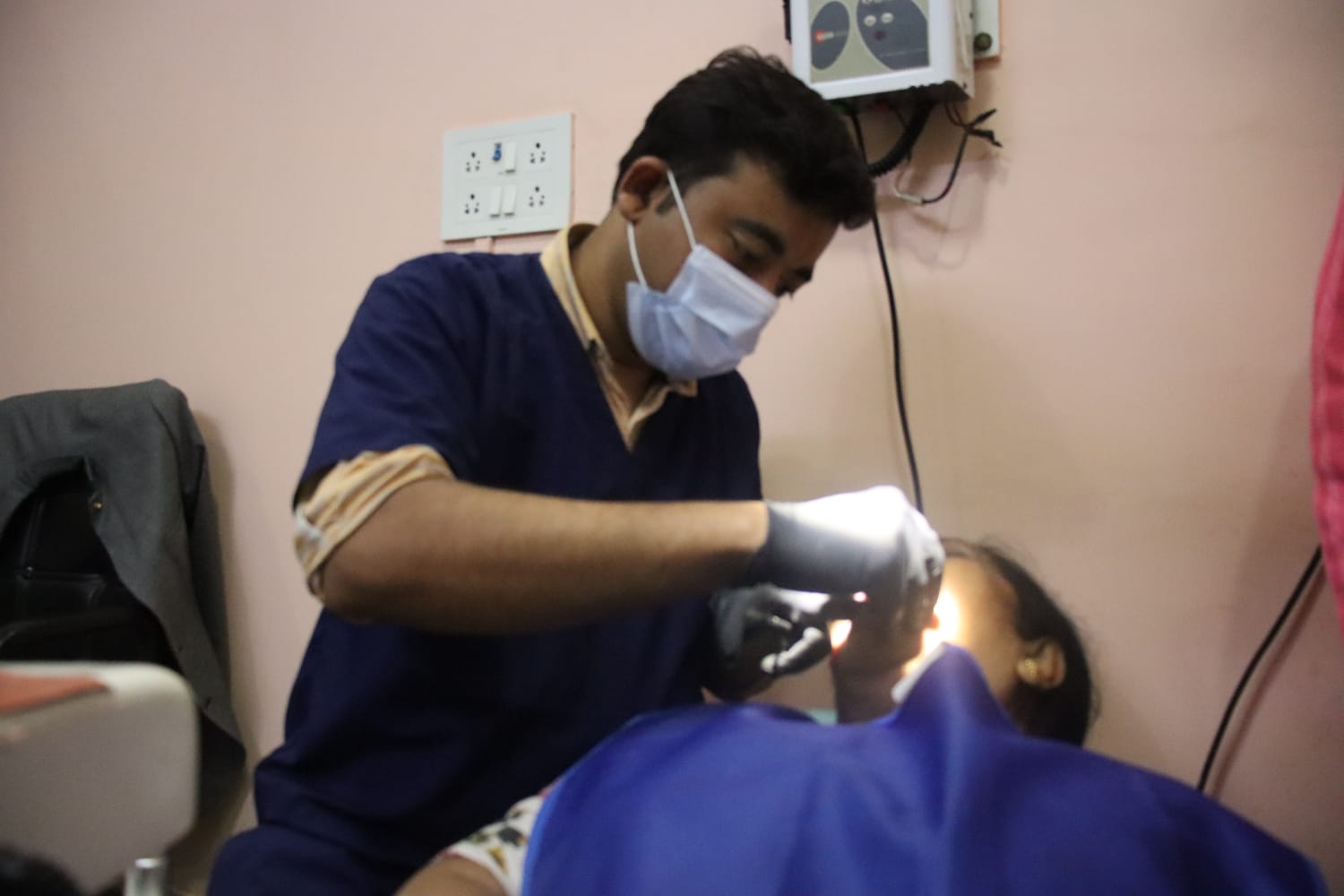
The right first dental visit sets your child up for a lifetime of confidence at the dentist. The wrong one — hurried, painful, or fear-based — can create anxiety that lasts well into adulthood, when it becomes very expensive to unlearn. At Kolkata Smiles in Dum Dum, Kolkata, we design the first visit as a happy milestone, not a medical procedure. This guide walks parents through the when, the what and the how, so you can prepare with confidence.
The Indian Dental Association and the American Academy of Pediatric Dentistry both recommend the first check-up by age 1, or within 6 months of the first tooth appearing — whichever comes first. This may feel very early, but there are three big reasons.
First, even a 60-second look lets us spot early bottle decay, enamel defects and bite issues. Second, it establishes a preventive plan around brushing, weaning and diet at exactly the right age. Third — and most importantly — it normalises the dentist as a friendly, familiar place before your child is old enough to develop fear.
We keep it short (usually 15–20 minutes), playful and pressure-free. Your child sits on your lap or in a colourful chair. We count teeth together, show them the 'tooth mirror', let them press the chair buttons, and gently check for early decay.
For a very first visit there are no injections, no drilling and no scary noises — just familiarisation. If everything looks healthy, we may apply a fluoride varnish (which takes 30 seconds and tastes like fruit) and send you home with a personalised brushing plan.
Never use the dentist as a threat ('be good or the dentist will drill your teeth'). Words like drill, injection, pain and hurt should stay out of the vocabulary — even in stories to relatives.
Instead, read a cheerful picture book about the dentist, watch a friendly cartoon episode about a first visit, and practise 'open wide, count teeth' at home like a game. Bring a favourite soft toy along — we can 'check its teeth' first.
Book the appointment for the time of day your child is best rested, and avoid promising sweets as a reward (which sends a confusing message about dental care).
Early childhood caries (bottle decay), thumb-sucking effects, mouth breathing, incorrect bite development, tongue-tie, lip-tie, enamel hypoplasia, delayed eruption and habits like nail-biting or tongue-thrusting.
Catching these before age 6 can prevent years of orthodontic work later, protect adult teeth still forming beneath the gums, and support clear speech development.
Fluoride varnish — a quick, painless coating applied 2–4 times a year that strengthens enamel and reduces cavities by up to 40%.
Dental sealants — a thin, protective plastic film painted onto the chewing surface of newly erupted molars, reducing cavities on those teeth by up to 80%.
Diet counselling — practical, judgement-free advice about tiffin boxes, juices, sipper bottles and bedtime milk.
Habit correction — gentle appliances and coaching to break thumb-sucking or tongue-thrusting before they permanently affect the bite.
After the first visit, kids should return every 6 months. Consistency is everything — a child who visits twice a year from age 1 typically grows up with zero or near-zero cavities and no dental anxiety.
As they grow, the same 6-monthly slot becomes the moment we watch for orthodontic timing, wisdom teeth, and sports mouth-guards. It is the smallest, highest-leverage investment you can make in your child's long-term health.
From the first tooth, clean with a soft baby brush and a rice-grain smear of fluoride toothpaste. From age 3, move to a pea-sized amount. Encourage spitting rather than rinsing so a protective layer of fluoride remains.
Make brushing a two-part ritual: they have a go first, then you finish the job. Songs, timers and colourful brushes turn a chore into a shared game.
Never let a child fall asleep with a bottle of milk, juice or sweetened water — this is the fastest way to develop severe bottle decay on the upper front teeth.
If a previous visit went badly, tell us in advance so we can slow the pace, use extra distraction, and avoid trigger words. For anxious older children we may split treatment into two shorter visits or use gentle nitrous oxide (laughing gas).
Our chairside team is trained in behaviour-guidance techniques — never restraints or coercion. A calm, gradual approach is almost always more effective than a rushed appointment.
Key takeaway
A happy first visit is the best gift you can give your child's smile. Book a gentle kids' check-up at Kolkata Smiles today.
No. Short, calm visits build tolerance. Skipping visits usually makes future ones much harder.
Yes. Baby teeth guide adult teeth into place, help speech, and infected baby teeth can damage the developing permanent tooth underneath.
Absolutely. Sealants are thin protective coatings that reduce cavities on molars by up to 80%. They are painless and take 10 minutes.
Children need supervised brushing until roughly age 7–8. Before that, their fine motor skills are not developed enough to clean thoroughly.
Yes. We only take X-rays when clinically necessary, using low-dose digital sensors and a lead apron. The dose is extremely small.
Book an appointment at Kolkata Smiles, Dum Dum — modern technology, gentle care and honest advice.
PreventionHow a 30-minute visit every 6 months can spot small problems early and save you years of complex treatment.
Read article Restorative
A clear, honest comparison of comfort, cost, longevity and daily care to help you choose confidently.
Read article Daily Care
Small everyday changes that protect enamel, freshen breath and keep cavities away for life.
Read article