 Prevention
The importance of regular dental check-ups
How a 30-minute visit every 6 months can spot small problems early and save you years of complex treatment.
Read articleUnderstand the difference in comfort, timelines and results so you can pick the right path for your smile.
By Dr. Anandam Bandyopadhyay
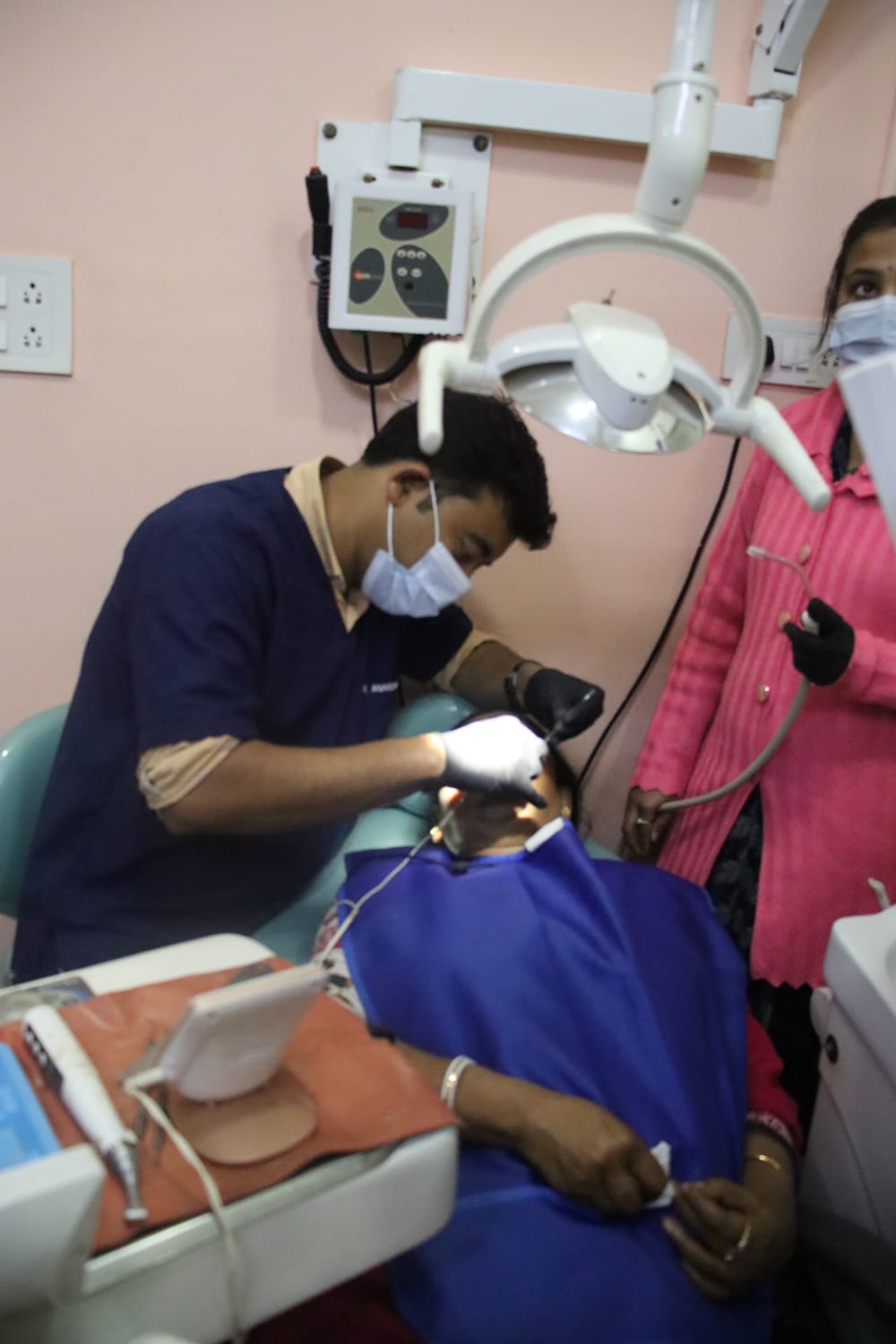
Straight teeth are healthier teeth — easier to clean, better to bite with, kinder to your gums, and gentler on your jaw joint. In 2026 you have two mature, well-proven ways to get there: traditional fixed braces and modern clear aligners. Neither is universally better; the right choice depends on the complexity of your case, your lifestyle, your budget and how much appearance matters to you during treatment. This detailed comparison from Kolkata Smiles in Dum Dum, Kolkata walks through every angle so you can decide with confidence.
Braces use small brackets bonded to the front (or, with lingual braces, the back) of your teeth, connected by a thin, springy wire. Every 4–6 weeks your orthodontist adjusts the wire so it applies a gentle, continuous force. Over months, that force remodels the bone around each tooth and moves it into a new position.
Clear aligners are a series of custom-made, transparent, snap-on trays generated from a 3D scan and a digital treatment plan. Each tray moves your teeth a fraction of a millimetre. You wear the tray 20–22 hours a day and swap to the next in the series every 1–2 weeks. A typical case uses between 15 and 50 trays.
Aligners are virtually invisible — in normal conversation and photographs most people will not notice you are wearing them. This is the single biggest reason adult patients choose them.
Modern tooth-coloured ceramic braces are far less visible than traditional metal, but the wire is still noticeable up close. Metal braces are the most visible option — though many teenagers now embrace them as a style statement with coloured ligatures.
Aligners are removable — you take them out to eat, drink anything except water, and clean your teeth. There are no food restrictions and cleaning is exactly the same as before. The trade-off is discipline: they only work if worn 20–22 hours a day, and it is easy to leave them out too long.
Braces stay on 24/7 and demand no willpower — but you will need to avoid very hard or sticky foods (raw carrots, popcorn, chikki, sticky sweets) and be diligent about cleaning around brackets with interdental brushes.
Bracket-related mouth ulcers are common in the first week; aligner-related speech lisps disappear within days. Both smooth out quickly.
Simple cases: aligners typically 6–12 months, braces 12–18 months.
Moderate cases: both take 12–24 months and produce comparable results.
Complex bite corrections: braces are often faster and more predictable for severe rotations, impacted teeth, or major jaw discrepancies. Some cases combine aligners with a short phase of braces or vice versa.
In every case, retainers are worn nightly for life to prevent teeth drifting back — this is not optional for either option.
Metal braces are the most affordable orthodontic option and often the best value for complex cases.
Ceramic braces cost 20–40% more than metal.
Clear aligners are typically the highest — but the price gap has narrowed sharply in the last 3 years thanks to Indian aligner brands and improved digital workflows. At Kolkata Smiles we work with several aligner systems so we can match the right technology to your budget.
Aligners are removed for brushing and flossing, so hygiene is essentially unchanged — arguably easier than usual because you become more conscious of it.
Braces trap plaque around brackets. You will need to add interdental brushes, floss threaders or a water flosser to your routine, and visit us every 4–6 months for a professional clean. Poor hygiene during braces can leave permanent white marks on the enamel — a completely avoidable problem with the right habits.
Most crowding, spacing, mild-to-moderate bite issues and mild relapse cases are candidates for either option. Very severe skeletal problems, some impactions and cases needing significant jaw surgery are usually better managed with fixed braces (sometimes combined with surgery).
The only way to know for sure is a 20-minute assessment with a 3D scan and photographs — which we offer free at Kolkata Smiles.
Choose aligners if: appearance during treatment matters, your case is mild-to-moderate, your lifestyle involves lots of client-facing work or events, and you can honestly commit to wearing them 20–22 hours a day.
Choose braces if: your case is complex, you would rather not manage removable trays, you want the most budget-friendly reliable option, or you know discipline with removable appliances would be a struggle.
Either way, the biggest predictor of a great result is not the technology — it is showing up for reviews and wearing your retainers afterwards.
Key takeaway
The best orthodontic option is the one you'll actually stick with. Book a free consultation at Kolkata Smiles and we'll show you a preview of your future smile.
For most mild-to-moderate cases, yes — with equal or better aesthetics. For very complex cases, braces are still the gold standard.
Yes — regardless of braces or aligners. Retainers prevent teeth from drifting back. This applies to every orthodontic patient.
Not at all. Teeth can be moved at any age. We regularly treat patients in their 40s, 50s and beyond.
Both cause mild pressure and tenderness for 2–3 days after each adjustment or new tray. Over-the-counter pain relief is usually enough.
Sometimes yes. If your case has simplified after initial correction, we can plan a switch. It requires a new scan and treatment plan.
Book an appointment at Kolkata Smiles, Dum Dum — modern technology, gentle care and honest advice.
PreventionHow a 30-minute visit every 6 months can spot small problems early and save you years of complex treatment.
Read article Restorative
A clear, honest comparison of comfort, cost, longevity and daily care to help you choose confidently.
Read article Daily Care
Small everyday changes that protect enamel, freshen breath and keep cavities away for life.
Read article